Physician-led metabolic health school

Your body is giving you signals. Let’s learn how to read them.

Physician-led metabolic health education for better energy, sleep, weight, and long-term resilience. You do not need to know everything. You need to know your first step.

  • Black women seeking culturally aware care
  • Men optimizing energy & performance
  • Anyone whose body feels out of sync
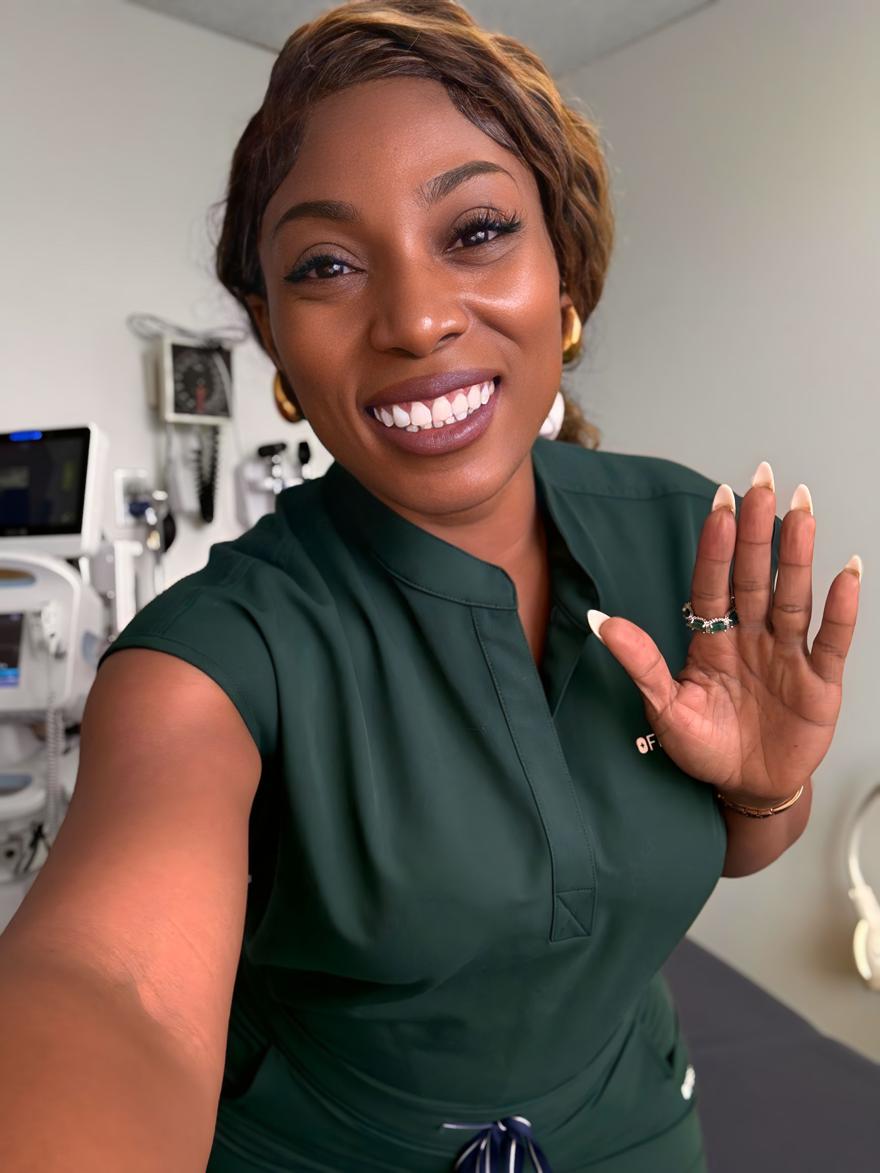
Portrait of Dr. Fume Awoyomi

“Your symptoms are signals, not character flaws.”

  • ABIM board-certified, internal medicine
  • Host of The Magic of Metabolic Health
  • Low Carb USA & Keto Live speaker
Start here

What do you want to improve?

Choose the one that matters most right now. You’ll get your three first steps, one thing to try this week, and where to go next.

Your starting point · Path 02

Energy that lasts past the afternoon

Energy dips are not laziness. They’re often your body reacting to how fuel reaches your cells, and how well you are recovering.

“Optimization starts with understanding.”

  1. Understand the signalA crash after meals is information.

    Refined carbohydrates are absorbed quickly. Blood sugar rises fast, then drops, and you feel tired and foggy.

  2. Identify what’s in the wayLook at fuel, caffeine, and rest.

    Is coffee standing in for breakfast, or for sleep? Is your first meal mostly refined carbs?

  3. One action this weekBuild your first meal around protein and fiber.

    Try eggs and vegetables, beans, or Greek yogurt, then notice how your afternoon feels.

Your starting point · Path 03

Sleep that actually restores you

Sleep is when your body repairs and resets. When it’s off, energy, appetite, and blood sugar often follow.

“Learn what your body is trying to tell you.”

  1. Understand the signalUnrestful sleep is a stress signal.

    Poor sleep and chronic stress raise cortisol, which can raise blood sugar and make cravings louder.

  2. Identify what’s in the wayNotice what follows you to bed.

    Unfinished work, worry, a late heavy meal, or a schedule that changes every night.

  3. One action this weekProtect one wind-down time.

    Choose a time and treat it like an appointment all week. Add five quiet minutes of breathing or mindfulness.

Your starting point · Path 04

Weight that responds to your effort

If weight feels unusually hard to change, that’s information, not failure. Metabolism, hormones, stress, and sleep all shape how your body stores energy.

“These are not character flaws. They’re metabolic signals.”

  1. Understand the signalHunger can be hormonal.

    When cells tune out insulin, the body makes more of it, which can drive hunger and fat storage around the waist.

  2. Identify what’s in the wayLook for the loop.

    Refined carbs, stress eating, meals light on protein, and eating while distracted.

  3. One action this weekProtein at every meal, one meal phone-free.

    Protein helps you feel full and protects muscle. Eating mindfully helps you notice real hunger cues.

Your starting point · Path 05

Steadier blood sugar, steadier days

Blood sugar often shifts long before a diagnosis. Learning to read the early signals gives you more room to act.

“You do not need to know everything. You need to know your first step.”

  1. Understand the signalShaky and hungry after eating?

    That can be an early sign of the insulin cycle at work, as your body works harder to manage glucose.

  2. Identify what’s in the wayConstant spikes, long hours sitting.

    Frequent sugar and refined carbs, plus inactivity, make it harder for your muscles to absorb glucose.

  3. One action this weekMove after your largest meal.

    Even a short walk counts. Then swap one refined carb for a high-fiber option like beans or lentils.

Your starting point · Path 06

Care that sees your whole life

Many women put everyone else’s needs first, and many have been told their labs are “normal” while they still feel unwell. What you are experiencing is part of the picture.

Guidance here honors your biology, your culture, and the foods and traditions you love.

  1. Understand the signalStress and hormones speak through metabolism.

    Chronic stress, broken sleep, and hormonal shifts, including PCOS, can show up as fatigue, cravings, and changes around the waist.

  2. Identify what’s in the wayWhere did rest go?

    Notice where rest has disappeared from your week, and which concerns you’ve been told to set aside.

  3. One action this weekSchedule real rest and write it down.

    Book one block of real rest. Write down your symptoms to bring to your next appointment.

Your starting point · Path 07

Energy, strength, and performance that last

Metabolic health shows up in your energy, sleep, strength, and performance, often years before a diagnosis. Knowing your numbers is a sign of strength.

“More energy. Better sleep. More freedom.”

  1. Understand the signalYour waistline is a clinical marker.

    A waist over 40 inches is one of the five metabolic syndrome red flags for men.

  2. Identify what’s in the wayQuiet things add up.

    Skipped check-ups, high stress, short sleep, and losing muscle over time.

  3. One action this weekGet your two numbers.

    Measure your waist and find out your blood pressure. Now you know your starting point.

Your starting point · Path 09

Act early, not after a diagnosis

Insulin resistance often comes before type 2 diabetes and metabolic syndrome. Catching early patterns can help prevent them from progressing.

“The goal is understanding, not just management.”

  1. Understand the signalFive markers tell an early story.

    Waist, blood pressure, fasting glucose, triglycerides, and HDL cholesterol, read together.

  2. Identify what’s in the waySnapshots miss patterns.

    Short visits and one-time lab results can miss the trend that builds over years.

  3. One action this weekLine up your last two sets of labs.

    Compare them with the five red flags, and bring your questions to your clinician.

Your starting point · Path 01

Start with how your body works

Metabolic health is how well your body regulates energy, blood sugar, hormones, inflammation, and weight. Once you understand the system, the advice stops feeling contradictory.

“Three steps can change the way you understand your health.”

  1. Understand the signalSymptoms come before lab results change.

    Fatigue, weight gain, and poor sleep often appear long before labs become abnormal.

  2. Identify what’s in the wayConflicting advice keeps people stuck.

    “Carbs are villains.” “Fat is the enemy.” Context matters more than slogans.

  3. One action this weekName your two loudest signals.

    Take the 3-minute self-assessment and write down the two signals you notice most.

Not sure which one fits? The 3-minute self-assessment helps you find your starting point.

Take the self-assessment
The Dr. Fume method

Three things to do first.

Every lesson, episode, and learning path in the school follows the same rhythm. It’s the same one Dr. Fume uses on the podcast.

  1. Understand the signal.

    Fatigue, cravings, poor sleep, and stubborn weight are messages from your metabolism. First, learn what they mean.

    Example: The 3 p.m. crash can be a blood sugar drop, not a lack of willpower.

  2. Identify what’s getting in the way.

    Find the one or two things in your food, sleep, stress, or environment that keep the signal going.

    Example: A breakfast of mostly refined carbs, plus a second coffee instead of lunch.

  3. Take one practical action this week.

    Choose one small, uncommon, doable step. Do it for seven days, notice what changes, then build on it.

    Example: Build your first meal around protein and fiber for one week.

“You do not need to know everything. You need to know your first step.” Dr. Fume
Mini lesson · 2 min

Why the 3 p.m. crash happens.

Simple and refined carbohydrates are absorbed quickly. That gives a fast boost, then often a sharp drop in blood sugar, which can leave you tired, hungry, and foggy.

Complex carbohydrates, fiber, and protein take longer to break down. The result is a steadier stream of energy without the crash.

Try this week

Pair any carbohydrate with protein or fiber. Oats with eggs, rice with beans, fruit with Greek yogurt.

Read the full lesson on carbohydrates
Illustration: two blood sugar patterns after a meal After refined carbohydrates, blood sugar spikes quickly and then crashes below where it started, when people often feel tired and hungry. After a meal with protein and fiber, blood sugar rises gently and stays steady. blood sugar meal 3 hours later Spike Crash: tired, hungry, foggy Steady energy
  • Refined carbs on their own
  • Carbs with protein & fiber
  • Starting level
Illustrative pattern, not to scale. Everyone responds differently, which is why personalized care matters.

More energy. Better sleep. More freedom.

  • More energyto show up for your work, family, and calling.
  • More timespent living, not managing symptoms.
  • Better sleepthat leaves you rested.
  • More confidencein understanding your own body.
The podcast

The Magic of Metabolic Health.

Conversations and practical education from Dr. Fume and guests. New episodes appear here automatically.

Start with this episode

What Is Metabolic Health?

New to metabolic health? Start here. Then follow along with the three-step pattern:

  1. Listen for the signal you recognize.

  2. Notice what might be getting in the way.

  3. Pick one action to try this week.

Swipe to explore

Portrait of Dr. Fume Awoyomi Dr. Fume Awoyomi in a second portrait
ABIM Board Certified Internal Medicine
Why learn with Dr. Fume

A physician who listens to the whole story.

Dr. Fume Awoyomi is a board-certified internal medicine physician specializing in metabolic health and chronic disease prevention. She works with people who often feel unheard or underserved.

  • Why trust her?

    Rigorous medical training

    She earned her medical degree at Saba University School of Medicine and completed residency at Newark Beth Israel Medical Center, after foundational training at IUPUI and Ball State.

  • Why does she understand?

    Rooted in community

    Born to Nigerian immigrant parents, she returned to the hospital where she was born to train. She knows health is shaped by access, environment, and opportunity.

  • What’s different?

    Time, context, and data

    Longer visits, deeper interpretation of labs, and care that honors your biology, culture, and food traditions instead of a template.

  • Why is it relevant to you?

    Education first

    Her goal is understanding, not just management, so you leave with clarity and confidence about your own body.

Read Dr. Fume’s full story

Born to Nigerian immigrant parents and raised stateside with a deep respect for education, service, and perseverance. From an early age, I was drawn to the science of healing—not only how the body works, but how health is shaped by access, environment, and opportunity.

My academic journey began with rigorous foundational training at IUPUI and Ball State University and ultimately led me across the ocean to Saba University School of Medicine, where I earned my medical degree. There, I solidified a commitment to clinical excellence and developed a global lens that continues to inform my work today.

One of the most meaningful moments of my career came full circle when I returned to Newark Beth Israel Medical Center—the hospital where I was born—to complete my residency. Practicing medicine in the very place my life began transformed my professional path into a personal mission: to provide care that is precise, compassionate, and deeply human.

Today, I practice as a physician specializing in metabolic health and chronic disease prevention, while maintaining a global perspective shaped by travel and cross-cultural experience. I work with patients who often feel unheard or underserved, helping them understand their bodies through data-driven, physician-led care that honors both biology and lived experience.

I believe healing is both a rigorous science and a thoughtful art—one that requires time, context, and respect for the whole person. At the heart of my work is a commitment to restoring metabolic health, addressing health disparities, and creating pathways to care that foster long-term resilience, dignity, and belonging.

Medicine isn't just what I practice—it's how I move through the world, with curiosity, compassion, and wonder.

— Dr. Fume

On the global stage

Conference appearances.

Sharing metabolic health insights with physicians, researchers, and the low-carb community, and bringing what she learns back to you.

Low Carb USA

San Diego, CA

2023

Keto Live

St. Moritz, Switzerland

2024

Invitation to speak with Dr. Fume about metabolic health
Concierge consultation

Book a Concierge Consultation

Who is this for?

If your body feels out of sync.

If you're doing many of the "right things," yet your body isn't responding. Weight loss feels unusually difficult. Energy is inconsistent. Sleep doesn't restore you. Your chronic conditions seem to be slowly accumulating.

These are not character flaws. They're metabolic signals that need diagnosing and treatment.

By submitting, you'll receive updates and health insights. Your information stays safe with me.

Book a Consultation
Website designed & developed byCrown Digital